

Commentary
They have more in common with other recent youth-led demonstrations in Nepal and Madagascar.
{
  "authors": [
    "Alejandro Martin Rodriguez",
    "Sarah Yerkes"
  ],
  "type": "questionAnswer",
  "blog": "Emissary",
  "centerAffiliationAll": "dc",
  "centers": [
    "Carnegie Endowment for International Peace"
  ],
  "englishNewsletterAll": "ctw",
  "nonEnglishNewsletterAll": "",
  "programAffiliation": "SCP",
  "programs": [
    "Sustainability, Climate, and Geopolitics",
    "Middle East"
  ],
  "regions": [
    "North Africa",
    "Morocco",
    "Europe",
    "Spain"
  ],
  "topics": [
    "Migration",
    "Domestic Politics",
    "Foreign Policy",
    "Economy"
  ]
}
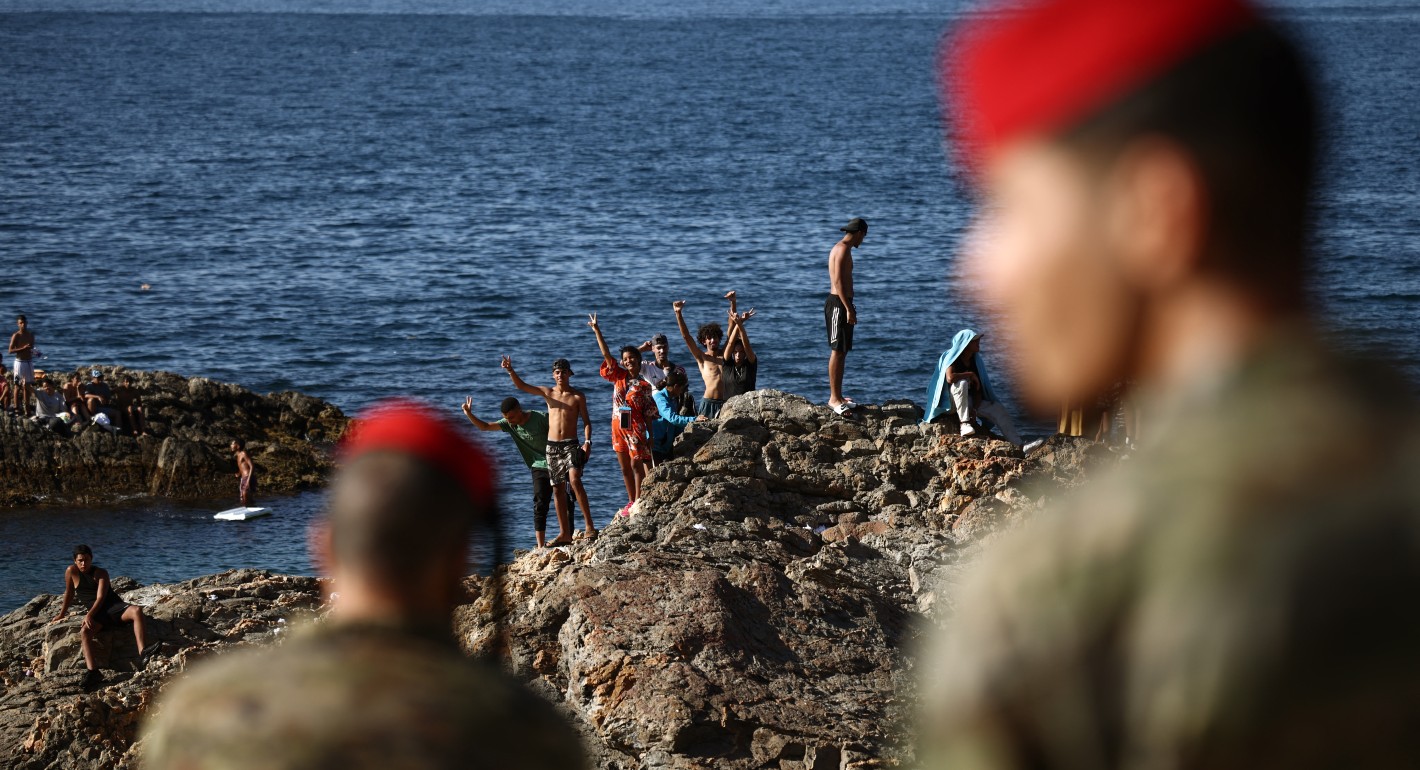
Spanish soldiers watch a group of migrants near Ceuta on August 2, 2026. (Photo by Henry Nicholls/AFP via Getty Images)
Most migrants may have left Ceuta, but the effects may linger.
What’s happening in Ceuta? What were the conditions or factors that contributed to it?
Sarah Yerkes: Last week tens of thousands of migrants, primarily Moroccans, attempted to cross into Ceuta and (to a lesser extent) Melilla—small Spanish enclaves in North Africa. The vast majority were either forcibly or voluntarily returned to Morocco, and more than eighty did not survive the journey, although that number is likely to grow.
The migrants left their home countries because of persistent economic challenges that have left many—particularly young people—without job prospects and increasingly unable to feed themselves and their families. This has created a real desperation that convinced many of the migrants that they have no choice but to risk their lives to seek better futures in Europe.
Alejandro Martin Rodriguez: Ceuta, Melilla, and the Canary Islands have seen large migration waves in the past, as they represent one of the main gateways into Europe. People escaping political persecution, climate impacts, or socioeconomic challenges often risk their lives trying to cross into Spanish territory.
Last week’s crossing, however, was significantly larger than what authorities are used to and could have been motivated by a variety of factors, including a recent Supreme Court ruling in Spain that caused confusion over whether the country would be able to immediately return migrants.
What were the reactions in Morocco and in Spain?
Sarah Yerkes: This has been pretty embarrassing for Morocco. It happened on one of the biggest national holidays—the anniversary of King Mohammed VI’s ascent to the throne—which is probably not a coincidence. And it highlights how unhappy many Moroccans are with their country. Yet, the Moroccan government has not really weighed in on the event. Moroccan civil society was quick to condemn their government’s failure to address youth unemployment and socioeconomic marginalization of certain communities as the cause for the crisis. But the government has stayed silent.
Alejandro Martin Rodriguez: In Spain, reactions have varied across political lines. The left-leaning government blamed disinformation campaigns around the Supreme Court ruling and human-smuggling networks, thanked Morocco for its cooperation, and highlighted how virtually all the people who crossed the border had left after forty-eight hours. The right-wing opposition, on the other hand, pointed to Spain’s migration-friendly policies as responsible for creating an incentive for people to enter the country illegally. This narrative was echoed by some European Union governments that have also previously criticized Prime Minister Pedro Sánchez’s migration policies.
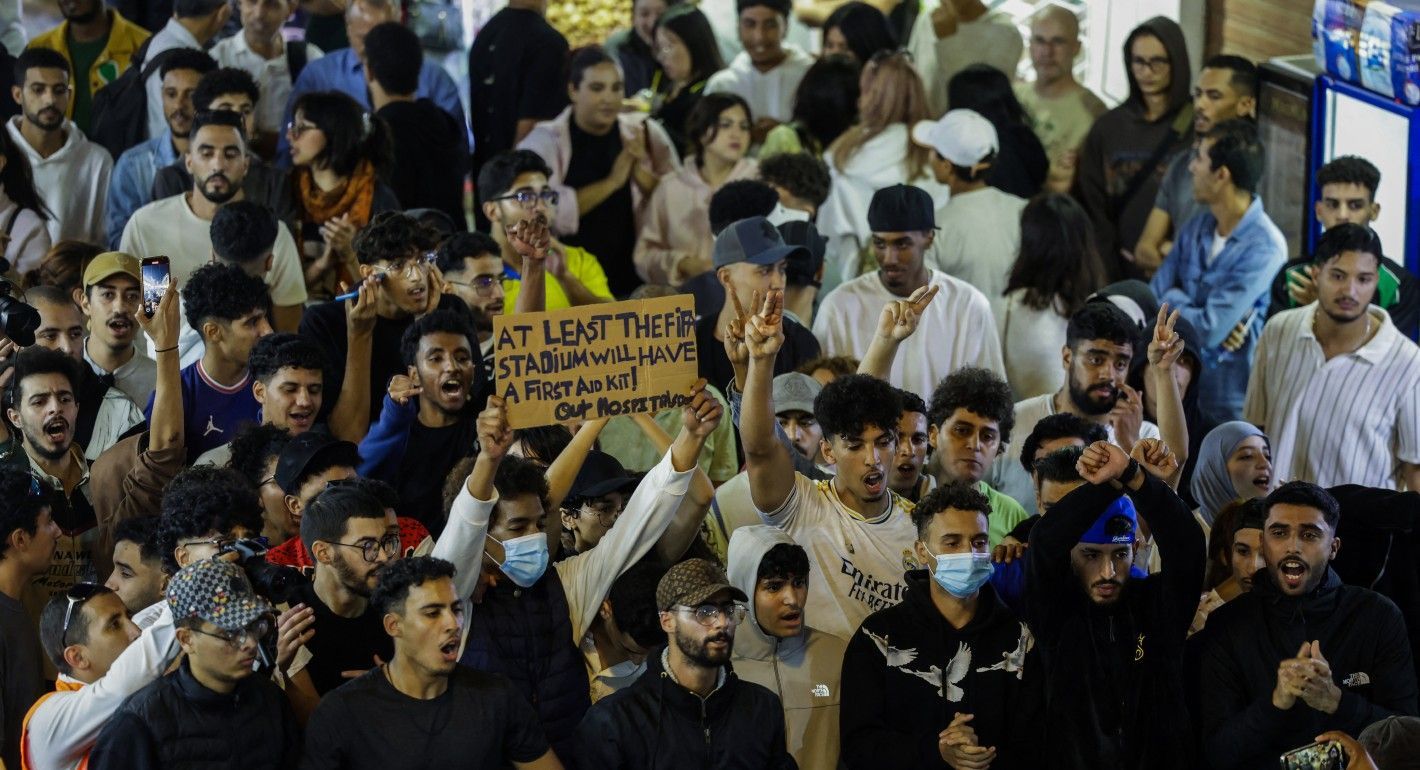
They have more in common with other recent youth-led demonstrations in Nepal and Madagascar.
What do you make of the misinformation and disinformation campaigns swirling around the event?
Sarah Yerkes: There are a lot of conspiracy theories out there—the biggest one being that Morocco orchestrated this mass migration event to punish Spain, whose leaders visited Algeria in late July in an attempt to thaw the diplomatic freeze that the two countries had experienced since 2022. I am highly skeptical that Morocco would inflict such a reputational wound on itself as to allow (let alone encourage) 60,000 of its own citizens to leave the country while spewing vitriol at it. What is more likely is that the Moroccan government had no role or even knowledge of this event until after it started. It seems like this was not some sort of formally organized effort but a result of a social media campaign that started after Spain’s Supreme Court ruling.
Alejandro Martin Rodriguez: Building on these theories, some voices in Spain claim that Morocco coordinated this to please close allies in the United States and Israel—two countries increasingly supportive of Morocco’s claims to the illegally occupied Western Sahara. The Spanish government under Sánchez is known for having annoyed leaders in the United States and Israel by not allowing the United States to use its military bases for the war in Iran and by leading a European effort to recognize Palestine in 2024. Ultimately, these claims lack sufficient evidence to back them up and only help distract from a more significant takeaway: Thanks to Spanish-Moroccan coordination, the tens of thousands of people who crossed the Ceuta border last week had almost all returned to Morocco.
What are the current pathways for migration in the region?
Sarah Yerkes: This was not the first mass migration attempt in Ceuta and Melilla, although it is the largest. Morocco is a key transit country for eastern, southern, and western African migrants attempting to make their way north to Europe, and these enclaves are the closest physical European borders to Africa. Past waves have been dominated by non-Moroccans who have mostly tried to storm or scale the fences that make up the heavily fortified borders of Ceuta and Melilla.
Alejandro Martin Rodriguez: Spain’s migration route is one of the biggest into Europe, a reality that motivated a recent visit by Pope Leo XIV to the Canary Islands. According to Frontex, however, the country experiences half the number of illegal crossings that Italy does and slightly fewer than in Greece. Whereas previous crossings have involved migrants coming from remote places, motivated by a variety of political, climate, humanitarian, or economic reasons, this crossing was different in that it seems most people were of Moroccan or North African descent.
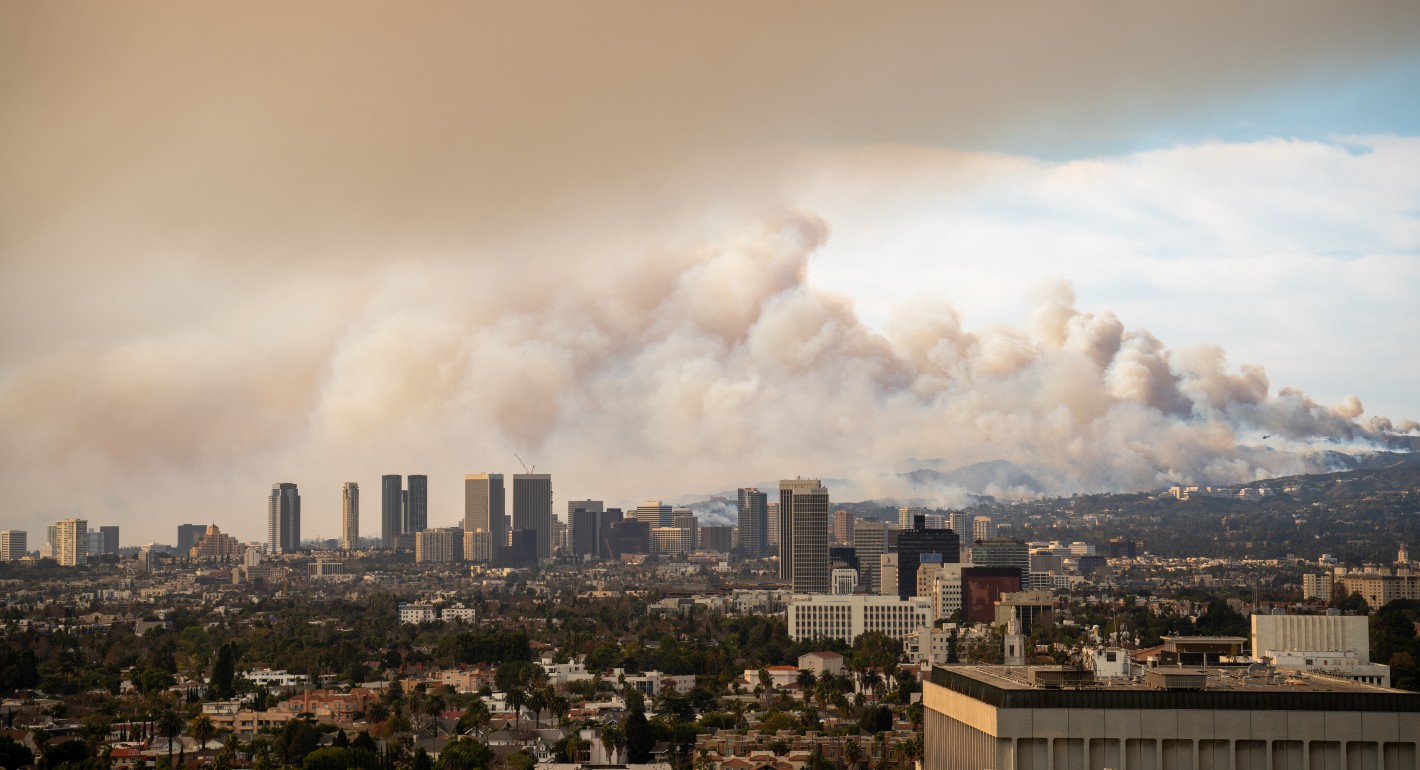
More than 200 million people could be displaced as a result of climate change by 2050. Current narratives about migration fail to understand this risk and the opportunities that climate mobility can bring to societies.
How might the fallout impact Europe and North Africa?
Sarah Yerkes: Morocco and Spain have been on good terms since 2022, when Spain recognized Morocco’s autonomy plan for Western Sahara. But Morocco has weaponized the border in the past—most famously in May 2021, when Morocco eased its border controls, allowing 10,000 migrants to cross into the Spanish enclaves in retaliation for Spain hosting the leader of a Western Sahara liberation group for medical treatment.
What is interesting to me is that almost no one seems to be putting any of the blame for the crisis on Morocco. It is all falling on Spain. Even U.S. President Donald Trump has weighed in, blaming “leftists” for weak border policy. That could put more pressure on the relationship between Spain and Morocco, depending on how each responds to the crisis.
Alejandro Martin Rodriguez: Twenty-two EU countries signed a letter asking Spain to do a better job controlling its borders, a move led by Italy’s far-right Prime Minister Giorgia Meloni that could be motivated by politics rather than migration or security concerns. Sánchez has called out the hypocrisy of these leaders, particularly when comparing their reaction to the weaponization of migration from Belarus into Poland in the fall of 2021, when EU countries stood firm with Poland and imposed sanctions on Belarus. It seems unlikely that similar sanctions would be placed on Morocco this time around.
Are we likely to see more mass migration events like this?
Sarah Yerkes: I think it is too early to tell whether this event was enough of a “success” to inspire future mass migration attempts. Right now, the death toll continues to grow, and a pretty small percentage of migrants managed to make it to Spain. Spain is also going to be under tremendous pressure to increase its border security in the future, which could make a future attempt much more difficult.
Alejandro Martin Rodriguez: This latest episode might lead to more fortified borders and a European electorate more vulnerable to populist narratives about migrant “invasions” of their countries. If so, Europe may become less likely to create policy space for humane migration policies that help meet labor shortages caused by a falling population. It could also lead the European Commission to be stricter with Morocco in ensuring it fulfills its border-control duties.
Understand the world with the latest from our scholars around the world.

Fellow, Sustainability, Climate, and Geopolitics Program
Alejandro Martin Rodriguez is a fellow in the Sustainability, Climate, and Geopolitics Program at the Carnegie Endowment for International Peace. His research focuses on the social dimensions of climate change, and he manages projects on climate mobility, peace, and security.

Acting Co-Director and Senior Fellow, Middle East Program
Sarah Yerkes is acting co-director and a senior fellow in Carnegie’s Middle East Program, where her research focuses on Tunisia’s political, economic, and security developments as well as state-society relations in the Middle East and North Africa.
Carnegie does not take institutional positions on public policy issues; the views represented herein are those of the author(s) and do not necessarily reflect the views of Carnegie, its staff, or its trustees.

The real test may come after the leaders leave the room.



Sheena Chestnut Greitens, Oriana Skylar Mastro, Yukon Huang, …

The Horn of Africa countries are among those facing a new security calculus.


Andrew Leber, Lesley Anne Warner

Why governance of rapidly evolving technology will be distributed and complex.


Stewart Patrick, Scott Singer
It should address the shortcomings of previous crisis communication efforts and adapt to the demands of frontier AI.

Lucy Luo
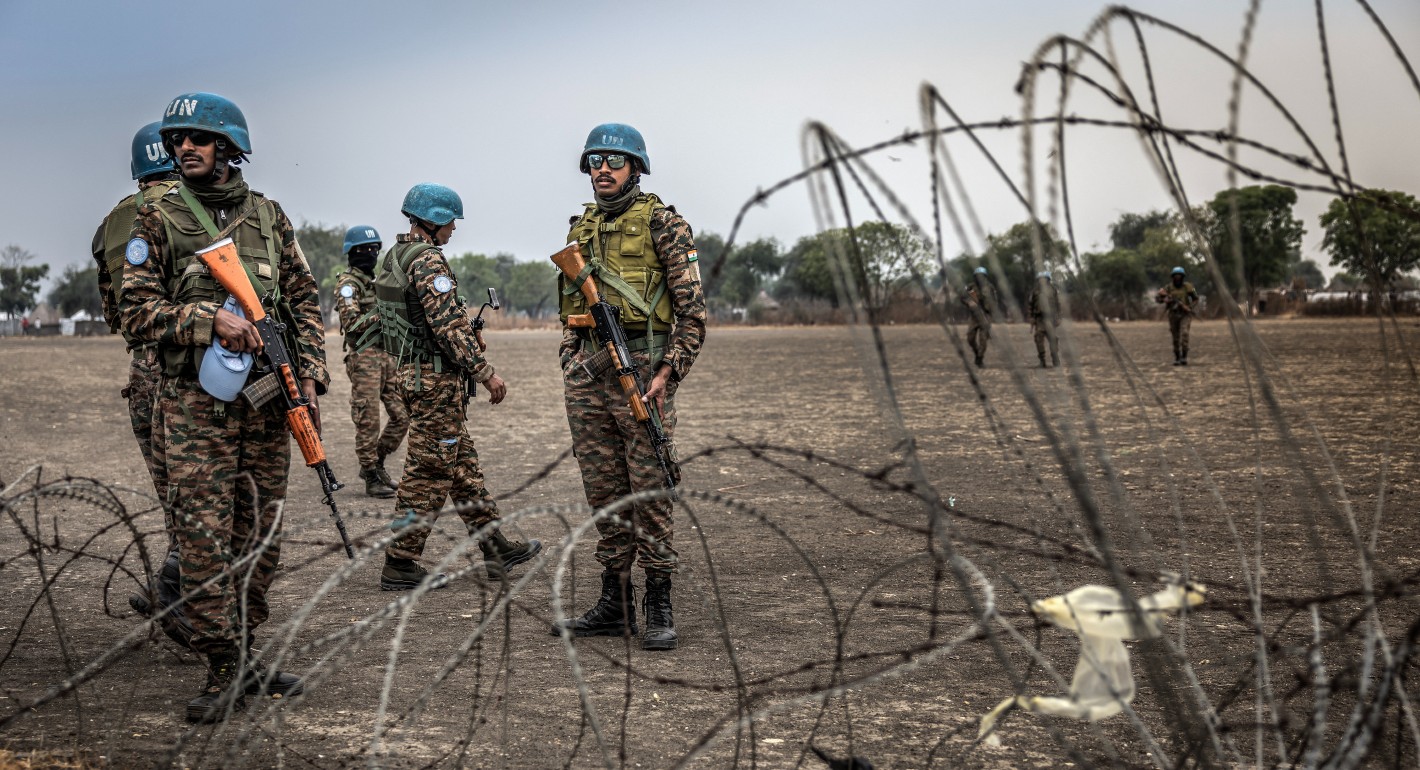
Washington’s decision to support some UN functions while letting others wither is pulling the organization apart at the seams.
Stewart Patrick, Theodore Zaritsky