

Podcast Episode
Milan is joined on the podcast this week by Jacob Poushter, the lead author of recent Pew report titled, “India and Pakistan: Rivals with Divergent Views of the Global Order.”
Milan Vaishnav, Jacob Poushter
This week, Rahul Sagar join Milan to discuss his new book The Birth of Indian Liberalism: Mama Parmanand’s Letters to an Indian Raja, which uncovers an older tradition of Indian liberal thought through a remarkable work first published in 1891 and then largely forgotten for more than a century.
Most conventional accounts of the origins of liberalism in India typically begin and end with the British. Indian thinkers are often depicted as encountering liberal ideas through colonial institutions, adapting them to local conditions, and eventually turning them against the British Raj.
But a new book by Rahul Sagar, The Birth of Indian Liberalism: Mama Parmanand’s Letters to an Indian Raja, uncovers an older tradition of Indian liberal thought through a remarkable work first published in 1891 and then largely forgotten for more than a century.
In a series of incisive letters addressed to the native ruler of Baroda, Parmanand argued that India’s native princes should embrace constitutional government, cultivate liberal values, and liberate their subjects from oppressive customs, social hierarchies, and arbitrary state power.
To talk more about Parmanand’s life, the rediscovery of his letters, and what they tell us about the origins of Indian liberalism, Rahul Sagar joins Milan on the show this week for the season finale of Grand Tamasha.
Rahul is Global Network Associate Professor of Political Science at New York University Abu Dhabi and a leading scholar of modern Indian political thought. He previously taught at Princeton University and Yale-NUS College. He is the author or editor of several books, including To Raise a Fallen People and The Progressive Maharaja.
Episode notes:
1. “India’s Hidden Treatise on Statecraft (with Rahul Sagar),” Grand Tamasha, November 1, 2022.
2. “What Kind of World Power Does India Want to Be (with Rahul Sagar),” Grand Tamasha, June 1, 2022.
3. Rahul Sagar, Ideas of India, database.
Carnegie does not take institutional positions on public policy issues; the views represented herein are those of the author(s) and do not necessarily reflect the views of Carnegie, its staff, or its trustees.
Milan is joined on the podcast this week by Jacob Poushter, the lead author of recent Pew report titled, “India and Pakistan: Rivals with Divergent Views of the Global Order.”


Milan Vaishnav, Jacob Poushter
This week, Milan, Sadanand Dhume, and Tanvi Madan discuss the political fall-out of this summer’s Gen Z protests, the political future of the Cockroach Janata Party (CJP), and the churn within the ruling Bharatiya Janata Party (BJP).
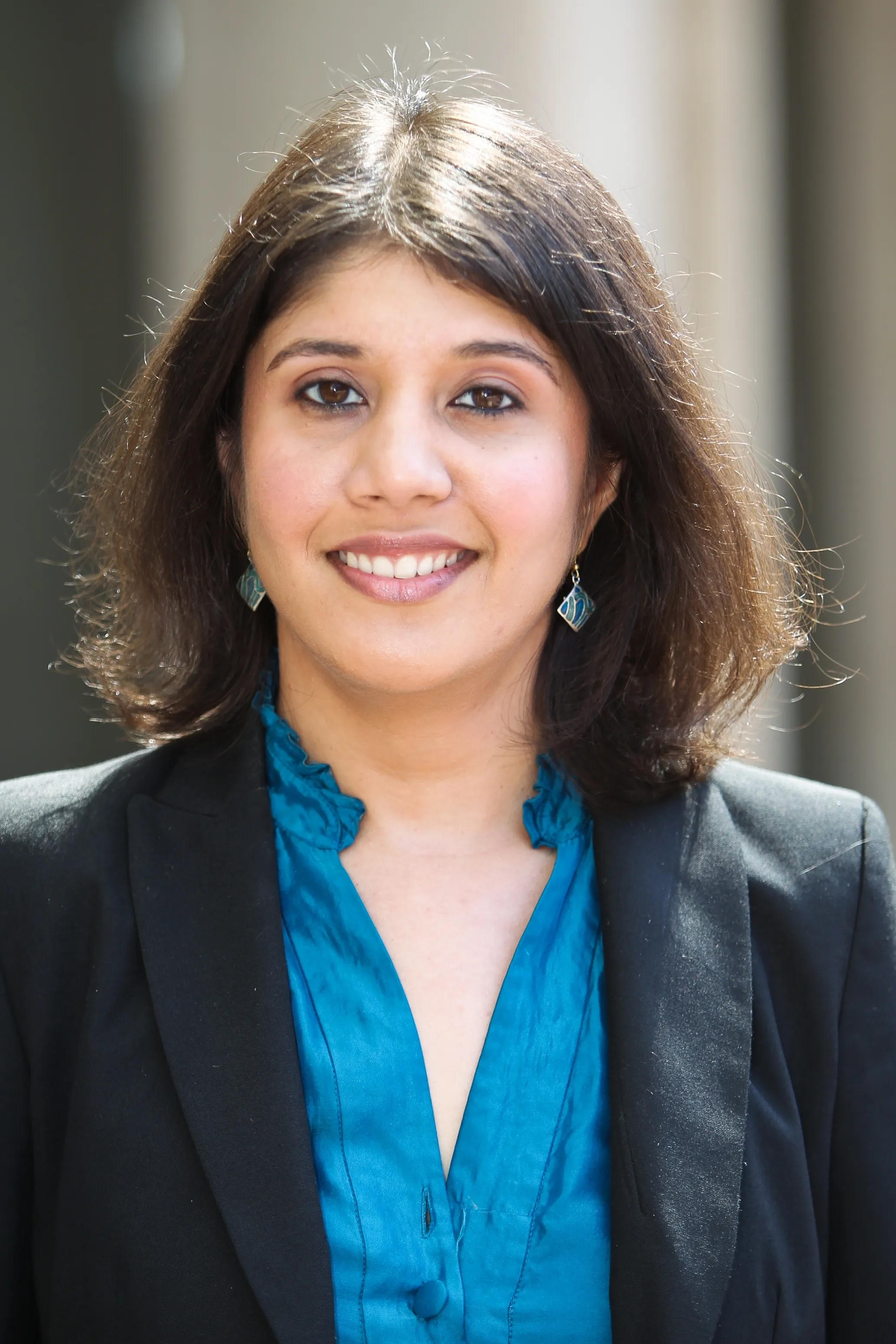
Milan Vaishnav, Sadanand Dhume, Tanvi Madan
Josy Joseph joins Milan on the podcast this week to talk about his best-selling new book, The Birth of a Nation: Twenty-One Days That Changed India, which reconstructs the dramatic three weeks leading up to August 15, 1947.
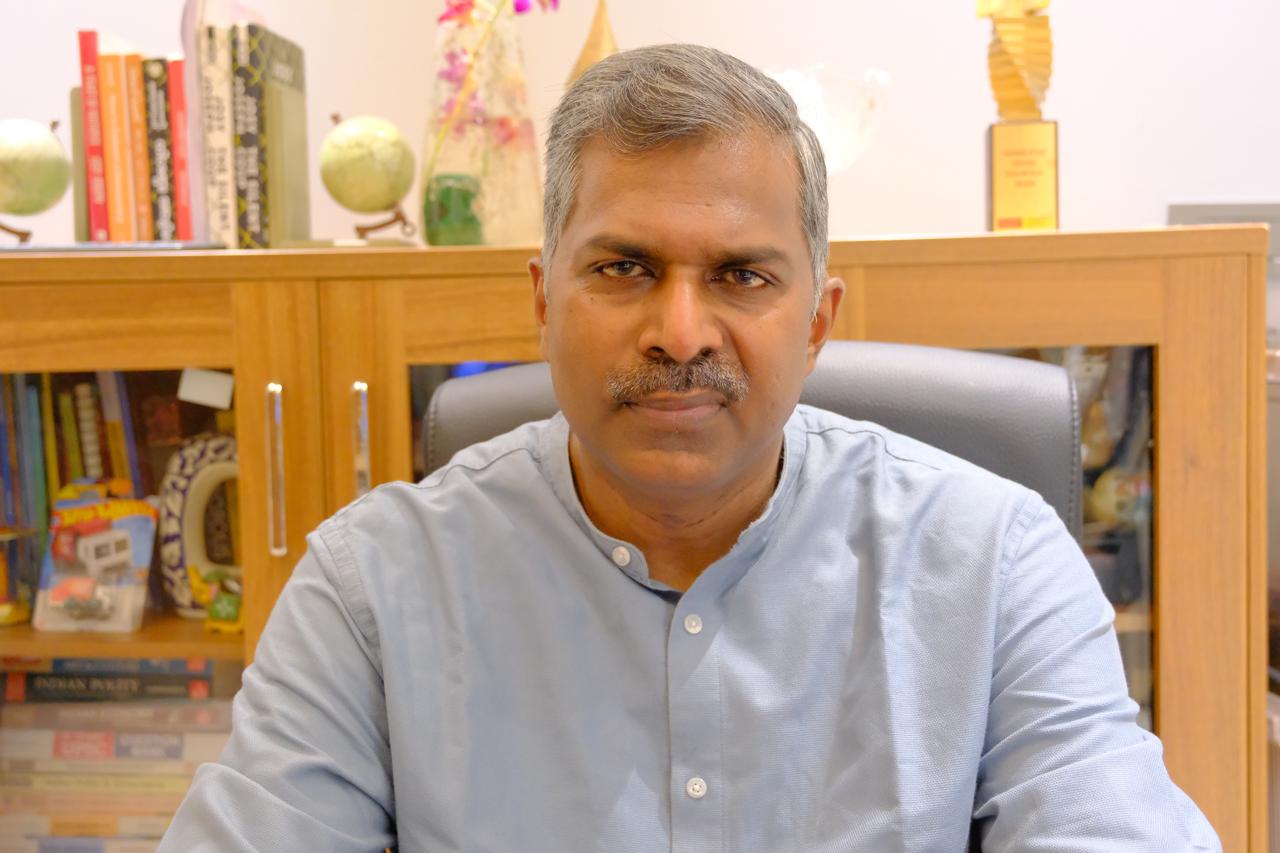
Milan Vaishnav, Josy Joseph
Vidya Mahambare joins Milan on the Season 16 premiere of Grand Tamasha to discuss the economic drivers of the Gen Z protests, the link between unemployment and education, and the futility of the manufacturing versus services debate.

Milan Vaishnav, Vidya Mahambare
This week, Rohit De and Ornit Shani join Milan to discuss their new book Assembling India’s Constitution: A New Democratic History. Drawing on a remarkable range of archival material, the book shows that constitution-making was not confined to the halls of the Constituent Assembly alone.
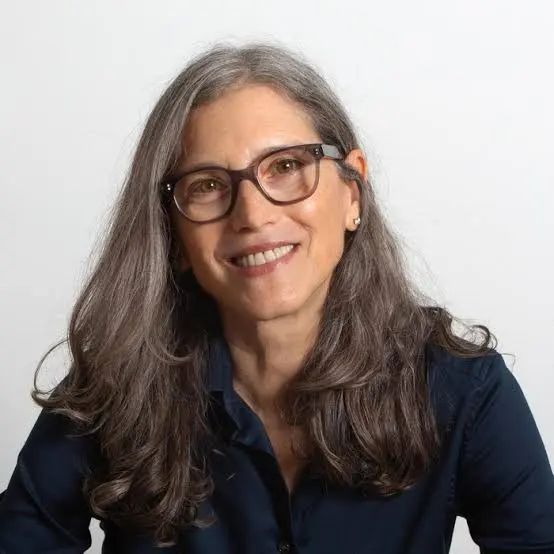
Milan Vaishnav, Ornit Shani, Rohit De